River Management: Real-time Integration of Sensor Data
River management has evolved significantly in recent years, driven by technological advances and the growing need to protect and manage water resources efficiently. By integrating sensor data in real time, authorities can make more informed decisions and reduce risks associated with natural phenomena and human activities.
Importance of River Management in Modern Times
River management is crucial in the modern era due to multiple factors, including climate change, population growth and urban expansion. These factors increase water demand and pressure on river ecosystems. Climate change, in particular, is altering precipitation patterns and increasing the frequency of extreme events such as floods and droughts. Effective river management helps to mitigate these adverse impacts, protecting both human communities and natural ecosystems.nnAs urban areas expand, soil waterproofing increases, resulting in increased surface runoff and reduced water infiltration into the soil. This can lead to more frequent and severe flooding. Proper river management includes the implementation of measures to control and direct water flow, as well as the creation of green infrastructure, such as parks and green areas, which help absorb rain water and reduce flood risk.nnIn addition, rivers are vital sources of drinking water, recreation, and habitats for numerous species. Poor management can lead to long-term water pollution, loss of biodiversity and sustainable conflicts by providing different users.
Sensor Data: Key to Real-Time Management
No, no, no, no, no, no, no, no, no, no, no, no, no, no, no, no, no, no, no, no, no, no, no, no, no, no, no, no, no, no, no, no, no, no, no, no, no, no, no, no, no, no, no, no, no, no, no, no, no, no, no, no, no, no, no, no, no, no, no, no, no, no, no, no, no, no, no, no, no, no, no, no, no, no, no, no, no, no, no, no, no, no, no, no, no, no, no, no, no, no. no, no, no, no, no, no, no, no, no, no, no, no, no, no, no, no, no, no, no, no, no, no, no, no, no, no, no, no, no, no, no, no, no, no, no, no, no, no, no, no, no, no, no, no, no, no, no, no, no, no, no, no, no, no, no, no, no, no, no, no, no, no, no, no, no, no, no, no, no, no, no, no, no, no, no, no, no, no, no, no, no, no, no, no, no, no, no, no, no, no, no, no, no, no, no, no, no, no, no, no, no, no, no, no, no, no, no, no, no, no, no, no, no, no, no, no, no, no, no, no, no, no, no, no, no, no, no, no, no, no, no, no, no, no, no, no, no, no, no, no, no, no, no, no, no, no, no, no, no, no, no, no, no, no, no, no, no, no, no, no, no, no, no, no, no,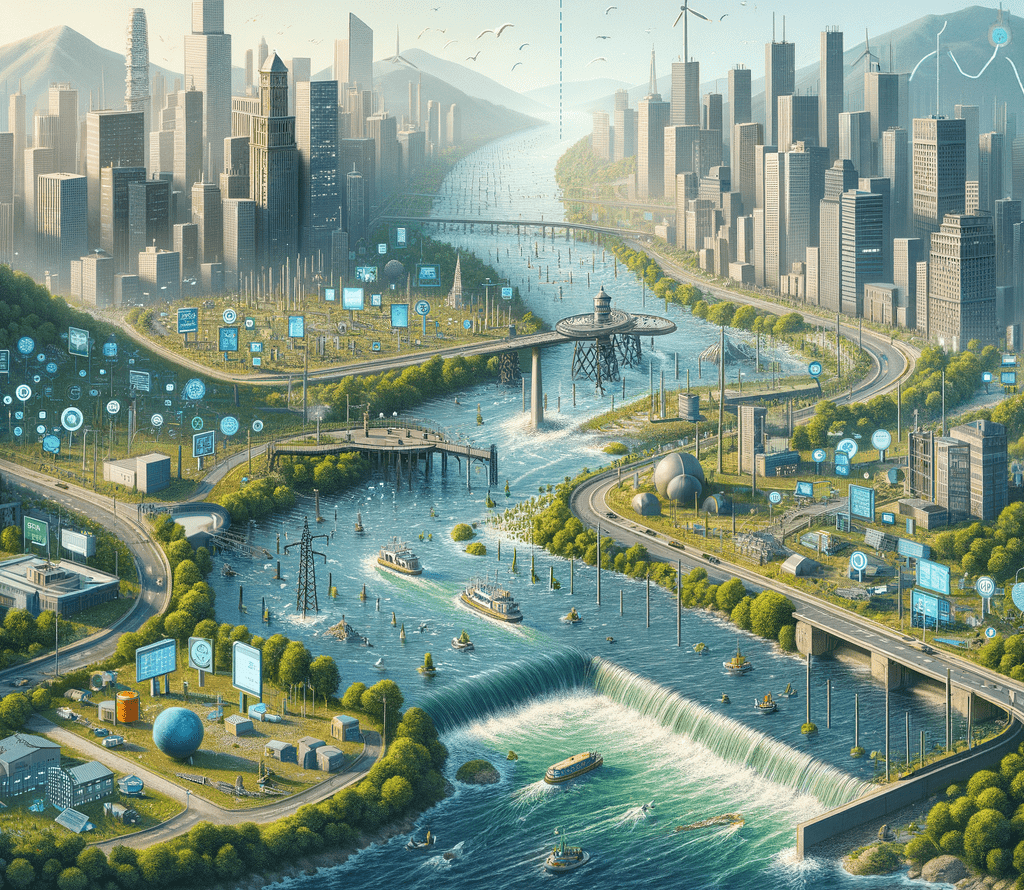 nnThe monitoring sensors in rivers have become essential tools for water management in real time.These devices can measure a variety of important parameters, such as water level, water quality, flow speed and temperature.The continuous collection of these data allows river managers to detect changes and trends quickly, facilitating an agile response to critical situations, such as floods or pollution.nnThe integration of sensor data in real time with geographic information systems (GIS) and predictive models allows for more accurate and efficient planning.These systems can simulate different management scenarios, providing decision makers with valuable information to develop mitigation and adaptation strategies.For example, in the event of an intense storm, predictive models can help estimate the amount of water expected, allowing timely preventive action to be taken.nnnIn addition, the sensor data can be shared with the public and other agencies through current platforms, fostering transparency and collaboration.Local communities, farmers and businesses can access this information to make informed water use decisions and response to extreme events.