Innovations of AI in Modern Hydraulic Engineering
Artificial Intelligence (IA) has transformed many industrial sectors, and hydraulic engineering is no exception. In the search for more efficient and sustainable solutions, engineers are adopting advanced AI technologies to improve modern hydraulic systems. This article explores recent advances in AI applied to hydraulic engineering and the various applications of these innovations in current systems.
Recent Advances in AI for Hydraulic Engineering
nIn recent years, the integration of AI into hydraulic engineering has allowed significant advances in the modelling and simulation of complex systems. Machine learning techniques, in particular, are used to develop high-precision predictive models that can simulate the behaviour of hydraulic systems under various conditions.These models allow engineers to anticipate problems before they occur, thus optimizing the design and operation of hydraulic infrastructures.nnnIn addition, AI has facilitated the implementation of advanced control systems in water management.By using deep learning algorithms, water distribution networks can be optimized in real time, automatically adjusting valves and pumps to maintain adequate pressure and flow.This dynamic response capability not only improves operational efficiency, but also contributes to the conservation of water resources.nnnAnother notable advance is the application of AI in the detection of leaks and predictive maintenance of hydraulic infrastructures. Intelligent sensors, connected to AI networks, can identify abnormal patterns in the flow of water that indicate potential leakages or imminent failures of systems. This technology allows to address the pre-running of hydraulics.
AI applications in Modern Hydraulic Systems
No, no, no, no, no, no, no, no, no, no, no, no, no, no, no, no, no, no, no, no, no, no, no, no, no, no, no, no, no, no, no, no, no, no, no, no, no, no, no, no, no, no, no, no, no, no, no, no, no, no, no, no, no, no, no, no, no, no, no, no, no, no, no, no, no, no, no, no, no, no, no, no, no, no, no, no, no, no, no, no, no, no, no, no, no, no, no, no, no, no. no, no, no, no, no, no, no, no, no, no, no, no, no, no, no, no, no, no, no, no, no, no, no, no, no, no, no, no, no, no, no, no, no, no, no, no, no, no, no, no, no, no, no, no, no, no, no, no, no, no, no, no, no, no, no, no, no, no, no, no, no, no, no, no, no, no, no, no, no, no, no, no, no, no, no, no, no, no, no, no, no, no, no, no, no, no, no, no, no, no, no, no, no, no, no, no, no, no, no, no, no, no, no, no, no, no, no, no, no, no, no, no, no, no, no, no, no, no, no, no, no, no, no, no, no, no, no, no, no, no, no, no, no, no, no, no, no, no, no, no, no, no, no, no, no, no, no, no, no, no, no, no, no, no, no, no, no, no, no, no, no, no, no, no, no,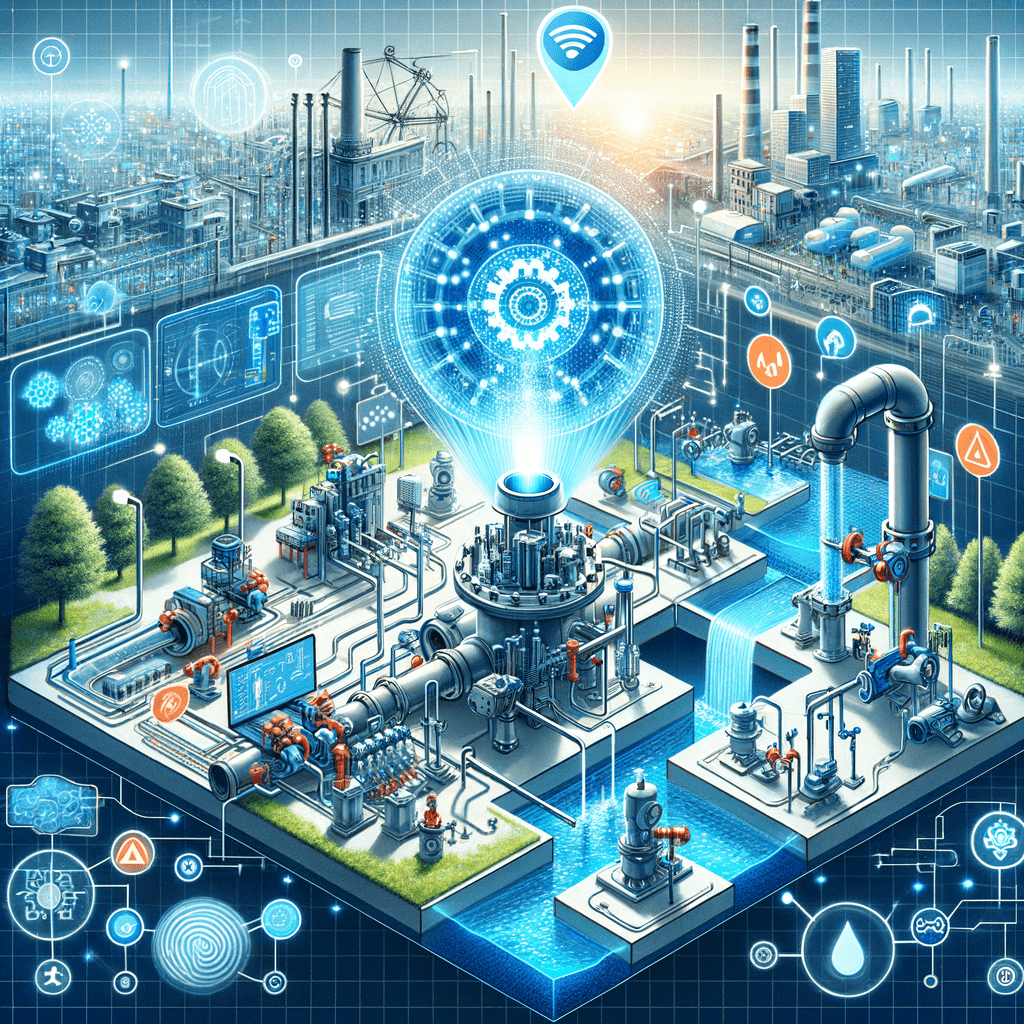 nnOne of the most outstanding applications of AI in hydraulic engineering is optimized management of watersheds.Using meteorological, hydrological and soil use data, AI algorithms can predict floods and drought events with high precision.This knowledge allows authorities to implement preventive and mitigation measures more effectively, thus protecting communities and minimizing economic damage.nnIn the urban area, the AI is used to improve the management of sewage networks and wastewater treatment.Smart systems can monitor in real time water quality and adjust treatment processes as necessary to meet environmental standards.This not only guarantees the supply of safe and clean water, but also optimizes the use of chemicals and energy, reducing operational costs.nnnAnother relevant application is in agriculture, where the AI facilitates precision irrigation.By analyzing data obtained from soil moisture sensors and meteorological stations, AI algorithms can determine the exact amount of water needed for crops at different times.This technology not only improves agricultural productivity, but also contributes to low-cost.