What is the urban hydrological cycle?
In the context of hydrology, the urban hydrological cycle refers to the series of processes through which water moves and transforms into an urban environment. This cycle is essential to understand how cities manage their water resources and how urban development affects the environment. The urban hydrological cycle presents distinctive characteristics that differentiate it from the natural cycle due to the significant influence of human activities.
Definition of the Urban Hydrological Cycle
nThe urban hydrological cycle is a variant of the natural hydrological cycle, adapted to the specific conditions and needs of urban areas.In cities, the hydrological cycle includes additional and modified processes due to the presence of constructed infrastructure and the high population density. Urbanization alters the natural dynamics of water, affecting the flow, storage and quality of the water resource.nnnIn general terms, the urban hydrological cycle involves the collection, distribution, consumption and subsequent treatment of water. Water sources in the urban environment may include rivers, lakes, underground aquifers and, in some cases, desalinized water. After use, the residual water must be adequately treated before being returned to the environment or reused.This treatment process is crucial for maintaining water quality and preventing pollution.nnIn addition, the urban hydrological cycle is influenced by several factors, such as climate change, urban expansion and water management policies.Infrastructure, such as sewage systems, wastewater treatment plants and storm drainage systems, plays a fundamental role in the management of the cycle.The capacity of these infrastructure is to handle continuous water management.
Key Components and Involved Processes
No, no, no, no, no, no, no, no, no, no, no, no, no, no, no, no, no, no, no, no, no, no, no, no, no, no, no, no, no, no, no, no, no, no, no, no, no, no, no, no, no, no, no, no, no, no, no, no, no, no, no, no, no, no, no, no, no, no, no, no, no, no, no, no, no, no, no, no, no, no, no, no, no, no, no, no, no, no, no, no, no, no, no, no, no, no, no, no, no, no. no, no, no, no, no, no, no, no, no, no, no, no, no, no, no, no, no, no, no, no, no, no, no, no, no, no, no, no, no, no, no, no, no, no, no, no, no, no, no, no, no, no, no, no, no, no, no, no, no, no, no, no, no, no, no, no, no, no, no, no, no, no, no, no, no, no, no, no, no, no, no, no, no, no, no, no, no, no, no, no, no, no, no, no, no, no, no, no, no, no, no, no, no, no, no, no, no, no, no, no, no, no, no, no, no, no, no, no, no, no, no, no, no, no, no, no, no, no, no, no, no, no, no, no, no, no, no, no, no, no, no, no, no, no, no, no, no, no, no, no, no, no, no, no, no, no, no, no, no, no, no, no, no, no, no, no, no, no, no, no, no, no, no, no, no,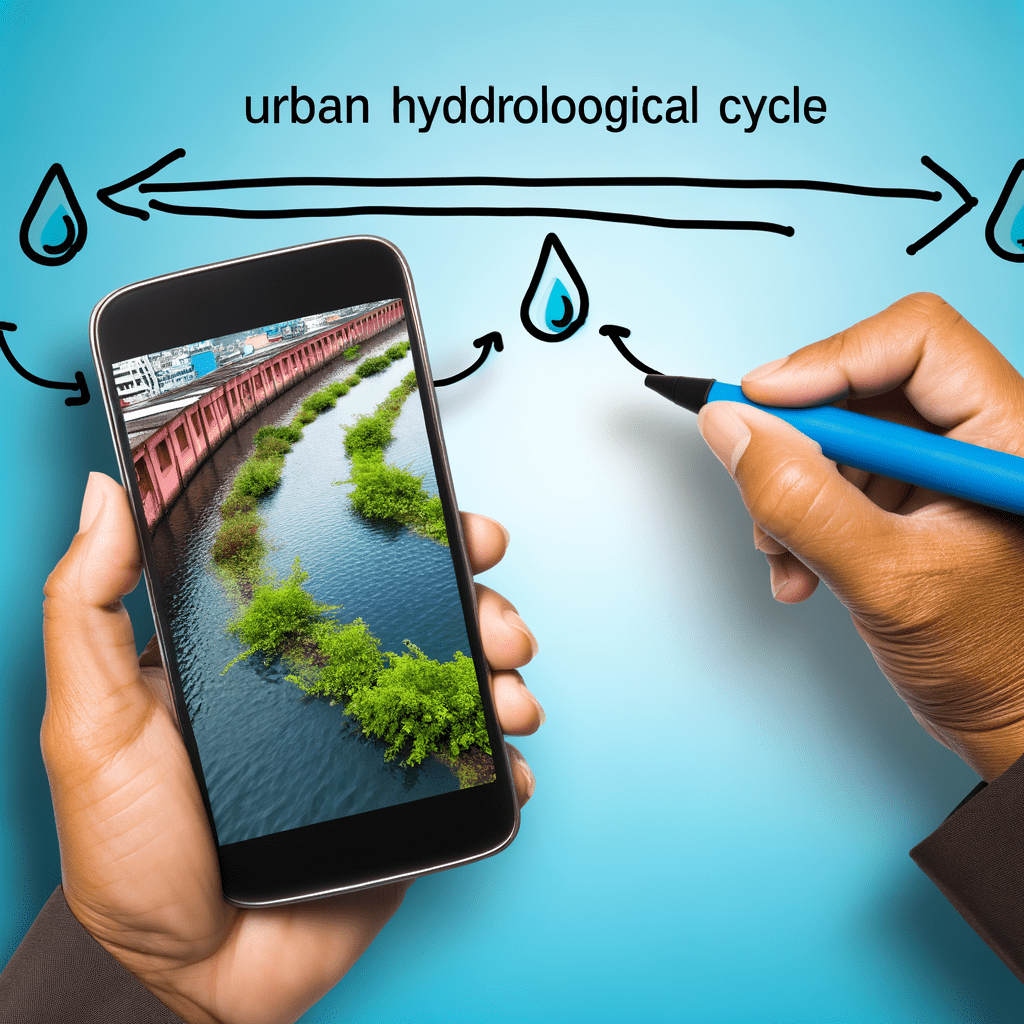 nnnOne of the key components of the urban hydrological cycle is the collection and storage of water.This process begins with the collection of water from various sources, such as rivers and reservoirs, which are then stored in facilities suitable for its distribution.Storage can include underground reservoirs and elevated tanks, designed to ensure a constant supply of drinking water to the urban population.nnnThe distribution of water is another critical component.It includes a complex network of pipes and pumps that transport water from storage facilities to homes, industries and other points of use.This system must be efficient and reliable, minimizing losses and guaranteeing the quality of water supplied.Advanced technologies, such as automated monitoring and control systems, are essential to optimize distribution and detect problems in real time.nnThe treatment and management of wastewater are a fundamental process within the urban hydrological cycle.The wastewater generated by households, industries and commercial activities must never be collected and treated in specialized plants.The proper treatment eliminates pollutants, ensuring that treated water can be returned to the urban environment without causing the associated environmental damage.In addition, the treated water can be reused water and essential for irrigation, water is used for irrigation, and commercial purposes.