What is a drainage network?
A drainage network is a fundamental system in urban and rural infrastructure, designed to manage and direct rainwater, wastewater and other unwanted liquids to a safe place for treatment or discharge. This article explores the definition, function and components of a drainage network, providing a technical and detailed view of its importance and functioning.
Definition and Function of a Drain Network
nA drainage network is a structured set of elements and channels that allow the collection, transport and disposal of surface and underground water. These networks are essential in urban and rural areas to prevent flooding, erode soils and maintain the stability of infrastructures. Proper management of these waters is crucial to protect both the environment and public health.nnThe main function of a drainage network is the efficient disposal of excess water that comes from rain, snow melt or human activities. By directing these waters towards natural water treatment systems or bodies, the risk of flooding is minimized and waste water is ensured to be processed safely.This process is vital for the proper maintenance of buildings, streets and other infrastructures.nnIn addition, a well-designed and maintained drainage network contributes to the preservation of the environment by preventing pollution of soils and bodies of water.Pluvial waters can drag pollutants and sediments, which, without an effective drainage network, can be deposited in rivers, lakes and oceans, negatively affecting aquatic ecosystems and the quality of drinking water.n
Components of a Drainage Network
No, no, no, no, no, no, no, no, no, no, no, no, no, no, no, no, no, no, no, no, no, no, no, no, no, no, no, no, no, no, no, no, no, no, no, no, no, no, no, no, no, no, no, no, no, no, no, no, no, no, no, no, no, no, no, no, no, no, no, no, no, no, no, no, no, no, no, no, no, no, no, no, no, no, no, no, no, no, no, no, no, no, no, no, no, no, no, no, no, no. no, no, no, no, no, no, no, no, no, no, no, no, no, no, no, no, no, no, no, no, no, no, no, no, no, no, no, no, no, no, no, no, no, no, no, no, no, no, no, no, no, no, no, no, no, no, no, no, no, no, no, no, no, no, no, no, no, no, no, no, no, no, no, no, no, no, no, no, no, no, no, no, no, no, no, no, no, no, no, no, no, no, no, no, no, no, no, no, no, no, no, no, no, no, no, no, no, no, no, no, no, no, no, no, no, no, no, no, no, no, no, no, no, no, no, no, no, no, no, no, no, no, no, no, no, no, no, no, no, no, no, no, no, no, no, no, no, no, no, no, no, no, no, no, no, no, no, no, no, no, no, no, no, no, no, no, no, no, no, no, no, no, no, no, no,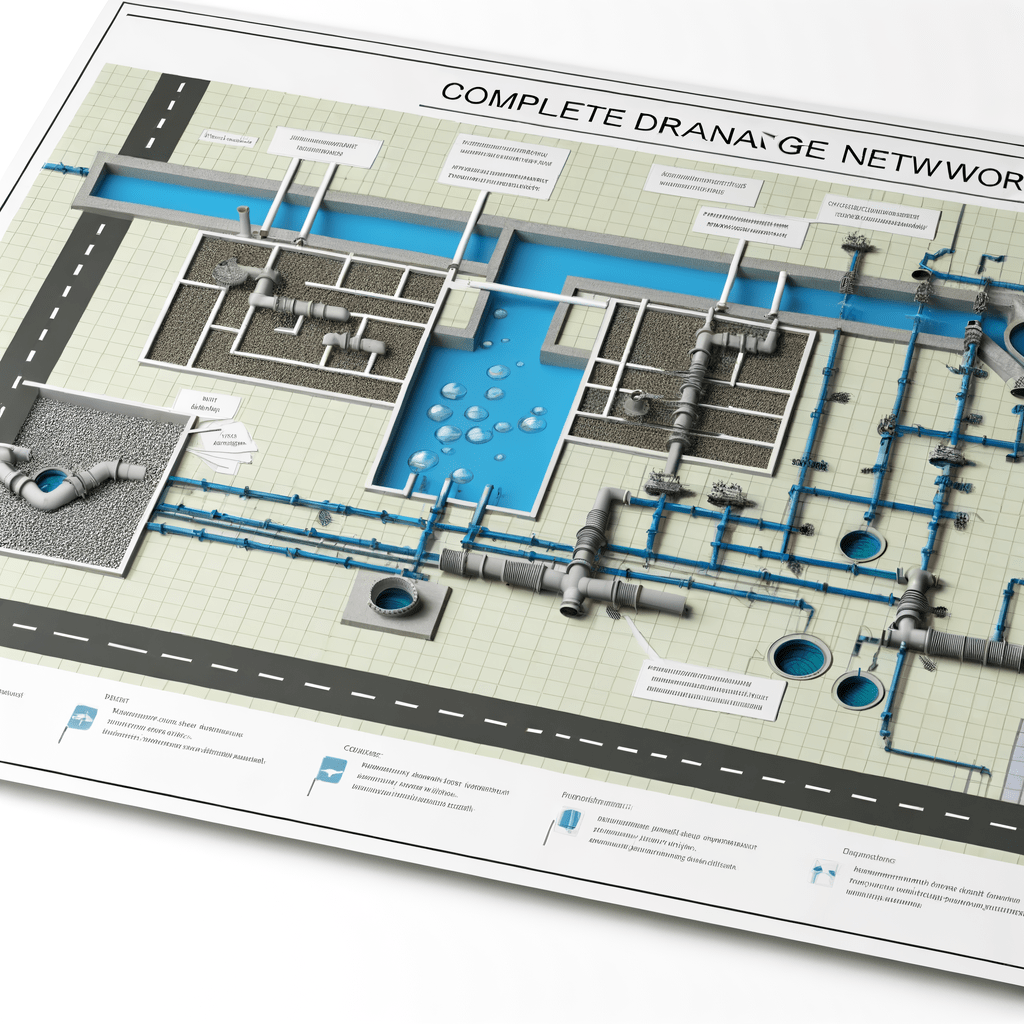 nnA drainage network consists of several interconnected elements that work together for the collection and transport of water. Among these components are collectors, which are underground or surface ducts designed to capture and channel water. Collectors may vary in size and material, being commonly concrete, PVC or steel. Their design depends on the volume of water that they must manage and the terrain in which they are located.nnAnother essential component are the registration wells, also known as inspection chambers. These are vertical structures that allow access to the drainage system for inspection, maintenance and cleaning. These recording wells are essential to ensure that the drainage network works efficiently and to locate and resolve obstructions or damage that may occur.nnnFinally, pumping stations are crucial in areas where topography does not allow for natural gravitational flow of water. These drainage networks are complex and vitally managed systems for their continuous transport to treatment plants or discharge points.