What is a coastal lagoon?
Coastal lagoons are bodies of water that are formed in the interface between terrestrial and marine ecosystems. These natural formations are crucial for biodiversity and play essential roles in local and global ecology. We will then explore in detail what coastal lagoons are, their distinctive characteristics, and why they are so important from an ecological point of view.
Definition and characteristics of coastal lagoons
nCoastal lagoons are saltwater or brackish bodies that are partially separated from the ocean by a natural barrier such as barrier islands, coral reefs, or sand dunes.These formations may vary in size from small pools to large bodies of water that cover several square kilometers.The connection to the ocean can be through narrow canals or entrances, which facilitates the exchange of water and nutrients between both ecosystems.nnA distinctive feature of coastal lagoons is their variability in salinity, which can change dramatically due to factors such as the entry of freshwater from rivers or intense evaporation.nnThis fluctuating environment creates a unique habitat that can withstand a diversity of organisms adapted to these changing conditions.In addition, coastal lagoons tend to have shallow water zones, which allows the penetration of sunlight to the bottom, promoting primary production through photosynthesis.nnCoastal lagoons also present a geomorphological structure that can include marshes, mangroves, grasslands of marine pastures, and areas of soft sediments.The interaction between these different habitatss favors, and nutrients.
Ecological importance and functions of coastal lagoons
No, no, no, no, no, no, no, no, no, no, no, no, no, no, no, no, no, no, no, no, no, no, no, no, no, no, no, no, no, no, no, no, no, no, no, no, no, no, no, no, no, no, no, no, no, no, no, no, no, no, no, no, no, no, no, no, no, no, no, no, no, no, no, no, no, no, no, no, no, no, no, no, no, no, no, no, no, no, no, no, no, no, no, no, no, no, no, no, no, no. no, no, no, no, no, no, no, no, no, no, no, no, no, no, no, no, no, no, no, no, no, no, no, no, no, no, no, no, no, no, no, no, no, no, no, no, no, no, no, no, no, no, no, no, no, no, no, no, no, no, no, no, no, no, no, no, no, no, no, no, no, no, no, no, no, no, no, no, no, no, no, no, no, no, no, no, no, no, no, no, no, no, no, no, no, no, no, no, no, no, no, no, no, no, no, no, no, no, no, no, no, no, no, no, no, no, no, no, no, no, no, no, no, no, no, no, no, no, no, no, no, no, no, no, no, no, no, no, no, no, no, no, no, no, no, no, no, no, no, no, no, no, no, no, no, no, no, no, no, no, no, no, no, no, no, no, no, no, no, no, no, no, no, no, no,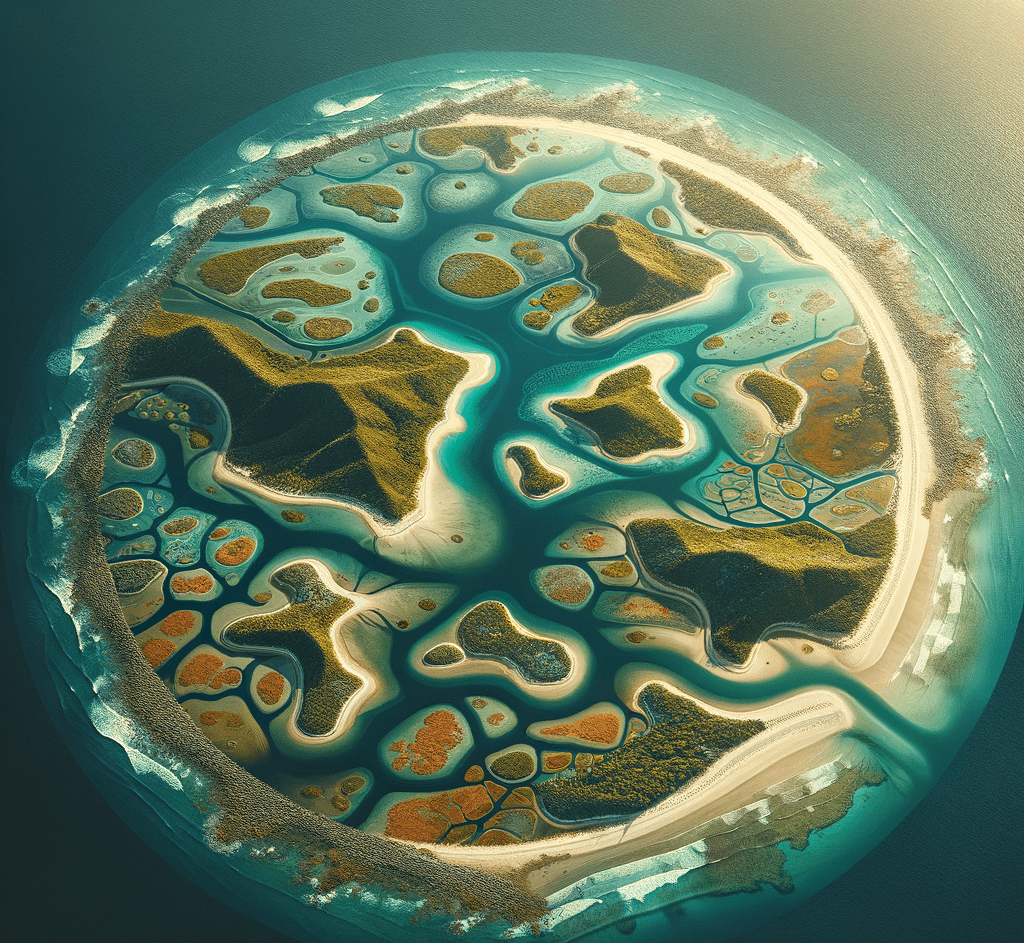 nnCoastal lagoons play a crucial role in local and global ecology due to their high productivity and biodiversity.These bodies of water act as breeding areas for many species of fish and crustaceans, which depend on protected and nutrient-rich conditions for their early development.In addition, the aquatic vegetation found in these environments serves as a refuge and source of food for a variety of organisms.nnAnother important aspect of coastal lagoons is their ability to act as natural filters, trap sediments and pollutants before they reach the open ocean.This filtration process also helps to maintain the quality of water and protects coral reefs and other sensitive marine ecosystems.In addition, coastal lagoons are carbon capture zones, where vegetation and sediments store large amounts of carbon, thus contributing to the mitigation of climate change.nnnCoastal lagoons also have significant economic value due to their contribution to fishing, tourism and recreation.The abundance of marine life and scenic beauty of these environments attract tourists and generate income for local communities.In addition, coastal lagoons can provide coastal protection services and reduce, acting as a buffer.