What is evapotranspiration?
Evapotranspiration is an essential process in the hydrological cycle that combines the evaporation of soil water and the perspiration of plants. This phenomenon plays a crucial role in the regulation of water in ecosystems and in the atmosphere, affecting both the climate and the availability of water resources. In this article, we will explore in detail the definition and fundamental concepts of evapotranspiration, as well as the factors that influence its variability within different ecosystems.
Definition and Fundamental Concepts of Evapotranspiration
n Evapotranspiration is defined as the sum of water evaporation from the surface of the soil and water perspiration through plants. Evaporation is the process by which water passes from liquid state to steam and is transferred to the atmosphere. On the other hand, perspiration is the process by which plants absorb water from the soil through their roots and release it in the form of water vapor through small pores in their leaves called stomas.nnnThe concept of evapotranspiration is fundamental in hydrology and water resources management, as it represents one of the main routes of water loss from terrestrial ecosystems to the atmosphere. The rate of evapotranspiration is commonly measured in millimeters per day (mm/day) and can vary significantly depending on various environmental and biological factors.nn There are different methods for estimating evapotranspiration, ranging from direct techniques such as the use of lisimeters, to indirect methods such as empirical formulas and simulation models. Modern techniques such as the use of remote sensors and advanced weather stations have allowed considerably to be used in this process.
Factors Affecting Evapotranspiration in Ecosystems
No, no, no, no, no, no, no, no, no, no, no, no, no, no, no, no, no, no, no, no, no, no, no, no, no, no, no, no, no, no, no, no, no, no, no, no, no, no, no, no, no, no, no, no, no, no, no, no, no, no, no, no, no, no, no, no, no, no, no, no, no, no, no, no, no, no, no, no, no, no, no, no, no, no, no, no, no, no, no, no, no, no, no, no, no, no, no, no, no, no. no, no, no, no, no, no, no, no, no, no, no, no, no, no, no, no, no, no, no, no, no, no, no, no, no, no, no, no, no, no, no, no, no, no, no, no, no, no, no, no, no, no, no, no, no, no, no, no, no, no, no, no, no, no, no, no, no, no, no, no, no, no, no, no, no, no, no, no, no, no, no, no, no, no, no, no, no, no, no, no, no, no, no, no, no, no, no, no, no, no, no, no, no, no, no, no, no, no, no, no, no, no, no, no, no, no, no, no, no, no, no, no, no, no, no, no, no, no, no, no, no, no, no, no, no, no, no, no, no, no, no, no, no, no, no, no, no, no, no, no, no, no, no, no, no, no, no, no, no, no, no, no, no, no, no, no, no, no, no, no, no, no, no, no, no,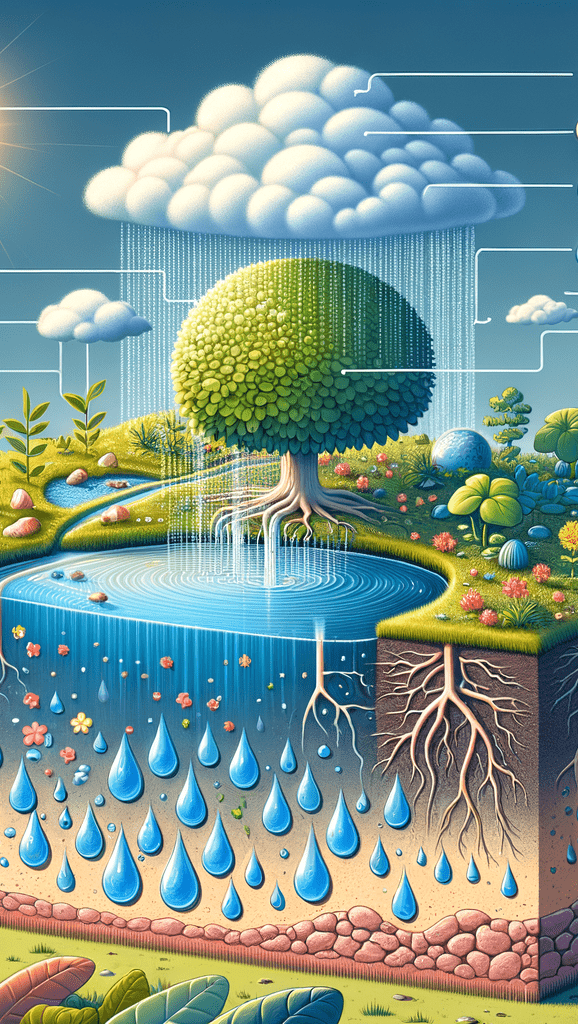 nnThe evapotranspiration is influenced by a variety of climatic, biological and edaphic factors. Among the most important climatic factors are solar radiation, air temperature, relative humidity and wind speed. The solar radiation provides the energy necessary for evaporation, while the air temperature influences the ability of the atmosphere to retain water vapour.The relative humidity affects the gradient of vapour concentration between the surface and the atmosphere, and the wind speed facilitates the dispersion of the water vapour.nnIn biological terms, the type of vegetation and the physiological characteristics of plants play a crucial role in transpiration.The edaphic factors, such as the texture and structure of the soil, the capacity of water retention associated with it, and the presence of organic resources, can directly influence the availability of stomas in response to environmental conditions.